
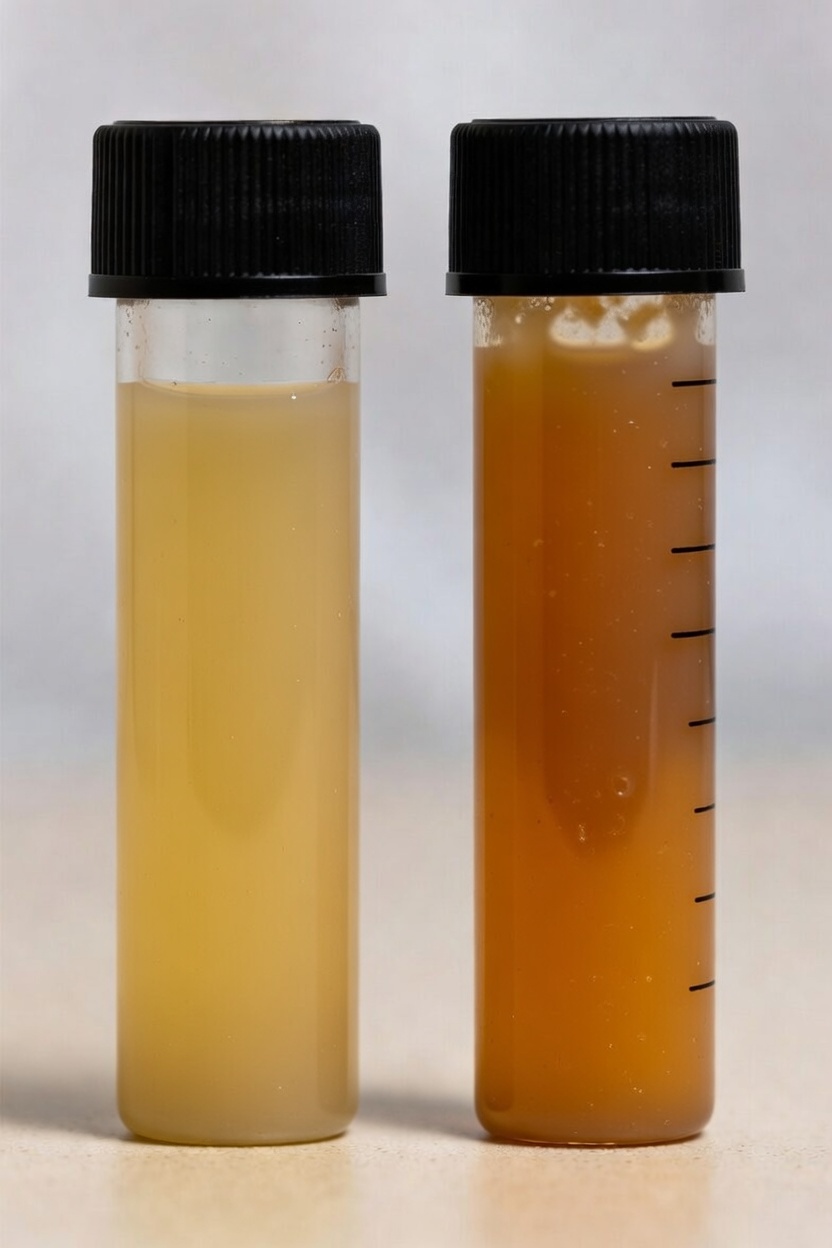
Autologous Blood Therapy — PRP and PRF Compared
Autologous blood therapies represent one of the most compelling developments in regenerative medicine. The terms PRP (Platelet-Rich Plasma) and PRF (Platelet-Rich Fibrin) appear frequently — often used interchangeably, though they describe fundamentally different preparations with distinct clinical applications.
PRP — Platelet-Rich Plasma
PRP is produced by centrifuging venous blood to concentrate platelets and growth factors into a liquid plasma fraction. The resulting preparation delivers a concentrated burst of regenerative signaling molecules. Release is rapid — typically within hours to days — making PRP well-suited for acute tissue stimulation, injectable rejuvenation, and hair restoration protocols.
PRF — Platelet-Rich Fibrin
PRF uses a slower centrifugation protocol without anticoagulants, producing a fibrin matrix that traps platelets, leukocytes, and growth factors within a three-dimensional scaffold. This matrix releases growth factors gradually over seven to fourteen days, providing sustained regenerative signaling. PRF is particularly valuable in wound healing, post-procedural recovery, and situations requiring prolonged tissue support.
When to Use Which?
The choice between PRP and PRF is not a matter of preference but of clinical indication. PRP excels where rapid, concentrated growth factor delivery is needed. PRF is indicated where sustained, gradual release provides superior tissue integration. In many cases, the two can be combined within a single treatment protocol for complementary effect.
What matters is not which preparation is “better” in the abstract, but which is appropriate for the specific tissue, the specific patient, and the specific treatment goal.
Conclusion
PRP and PRF are not competing trends — they are two distinct regenerative tools. Regeneration begins with a thorough analysis, not a standard protocol.
Author: Dr. med. Désirée Grawunder — Licensed Physician, Germany


