
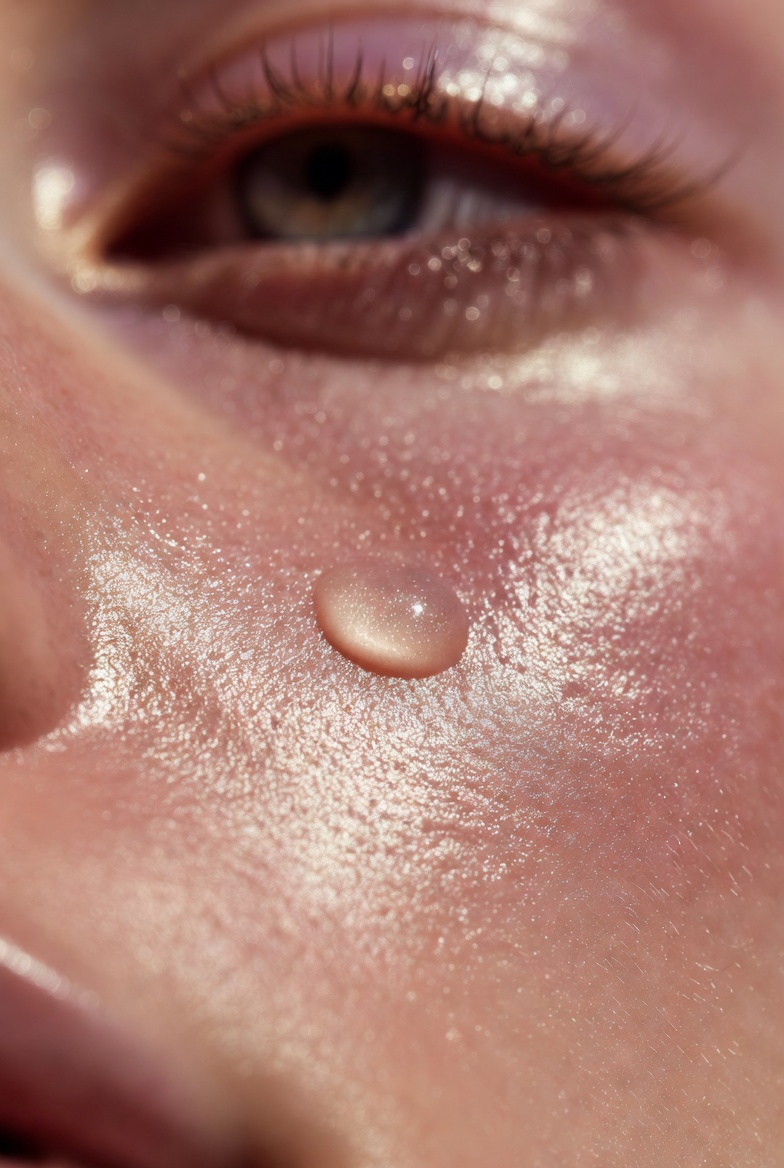
Skin Barrier Dysfunction — Causes, Symptoms, and Solutions
Persistent dryness, tightness after cleansing, stinging upon product application — these are hallmarks of a weakened or disrupted skin barrier. While often dismissed as minor irritation, barrier dysfunction represents a fundamental compromise in skin physiology.
Recognizing Barrier Compromise
The clinical signs are characteristic: increased transepidermal water loss manifesting as persistent dryness, heightened reactivity to previously tolerated products, visible redness or micro-inflammation, and a general loss of skin resilience. These symptoms frequently escalate when patients attempt to resolve them with additional products — creating a cycle of disruption and attempted repair.
The Most Common Causes
Barrier damage rarely has a single origin. The most frequent contributors include chemical over-exfoliation (particularly with high-concentration acids used without professional guidance), disruption of the skin's acid mantle through alkaline cleansers, environmental exposure without adequate protection, and systemic factors such as stress, hormonal shifts, and nutritional deficiencies.
What distinguishes a medical approach from conventional skincare advice is the systematic identification of contributing factors — not merely treating symptoms as they appear.
A Structured Path to Restoration
Barrier restoration follows a clear protocol: first, remove all sources of ongoing disruption. Then, introduce targeted repair — lipid replacement, controlled hydration, and anti-inflammatory support. Finally, establish a maintenance regimen that respects the skin's biological rhythms rather than overriding them.
Professional treatments such as gentle JetPeel infusions can accelerate recovery by delivering barrier-supportive compounds directly, without the mechanical disruption associated with more aggressive procedures.
Conclusion
A healthy skin barrier is not a secondary concern — it is the foundation of every sustainable skin treatment. True regeneration begins with respect for biological structure.
Author: Dr. med. Désirée Grawunder — Licensed Physician, Germany


